The Econopolis Strategy team had the honor to attend the World Energy Outlook 2023 event in Brussels last Monday. Belgian Minster of Energy Tinne Van der Straeten and Dr. Fatih Birol, Executive Director of the International Energy Agency (IEA) were keynote speakers, sharing their view on past and present energy developments. Here, we provide the key takeaways from the event to keep you up to date with the current world energy status:
- The Russian invasion of Ukraine altered the perception on energy. Energy was mainly viewed as a resource that needs to be bought from a supplier, whoever that supplier is. Now it is viewed as a strategic good that has the main goal of providing security and independence from other countries. This sparked the European Union to invest more heavily in this independence. Important to note, as well, is that Europe did not crumble financially under the energy crisis like Russia predicted, which is a testament to the robustness of our economy.
- In extension to not being reliant on one country for energy supply, an international grid connection in Europe is paramount to efficiently transition towards clean energy. Smart use of supply and demand chains, peak hours, electric feedback to the grid, etc. will provide for sustainable energy usage. Investments should therefore be made in establishing and optimizing energy grids.
- There is a lot of skepticism about the transition speed of the energy market towards carbon neutrality. The consensus is that the world is running behind schedule and efforts need to increase. Dr. Birol acknowledges that the transition can always move at a faster pace but also puts the transition into perspective by noting some major achievements:
- Of all the newly installed plants, 80% were renewables and 5% were nuclear.
- In the West, 1 out of 5 cars sold is electric. In China, this is every other car.
- Heat pump demand has increased dramatically to the point where suppliers can’t keep up with orders. This is completely different from a few years ago. (Econopolis note: There was a drop in sales in 2023 due to a capacity build up that was reliant on extra stimuli from governments, which were reduced (Italy), postponed or delayed.)
- A lot of renewable energy is still waiting to be connected to the grid, which means these efforts are not yet visible, but certainly real.
- Out of $ 2.7 trillion of investments in the energy market, $ 1.7 trillion was for clean energy.
- Even with current policies, non-renewable energy sources will peak before 2030. Efforts in better policies will cause an even faster peak, accelerating declines in emissions.
- China’s oil demand is 2/3 of the global demand. Their economy is evolving towards less industrialization, and thus less oil will be needed in the future. This will have a tremendous impact on the energy transition.
- Regarding energy, Dr. Birol states that Europe has made three crucial mistakes in the past decade which can’t be repeated in the future:
- Nations can’t rely on one country for energy, as seen from the fallout of the Ukraine war. Energy is a strategic good that holds a lot of power and influence on the economy of different nations. A transition to energy independence is as much of an incentive for installing renewables.
- The new policies regarding nuclear power were a big mistake. This ties together with the previous point that nuclear power established energy independence and is a clean energy provider. Dr. Birol believes that policies are changing, and nuclear power is reviving if it can overcome its economic challenges. The main challenge for the West is to compete with China and Russia, who had strong nuclear power development in the past decades. Minister Van der Straeten also added that for a nuclear renaissance to happen, nuclear plants need to be built on time, within budget and with a clear vision on how to handle its waste. There is still a market for nuclear energy, but it must be cost-competitive and politically and socially acceptable.
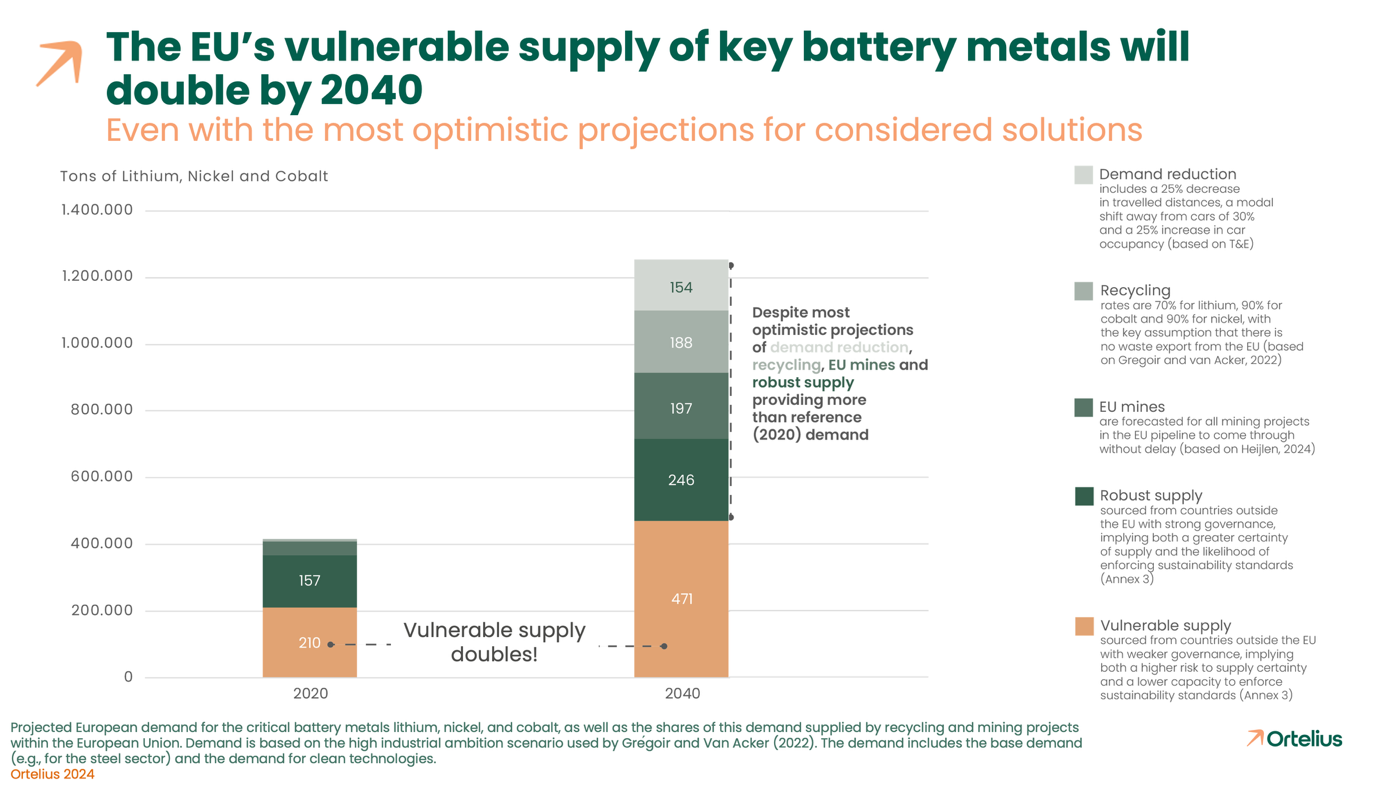
- The last mistake was losing the control of the solar power market. Europe started the solar push, making them market leaders, but then failed to build out the industry. This gave China an opportunity on which they capitalized: more than 80% of solar panels produced in the world are coming from China. Dr. Birol warns in the same regard for the wind energy market; it is of strategic importance that it stays in Europe.
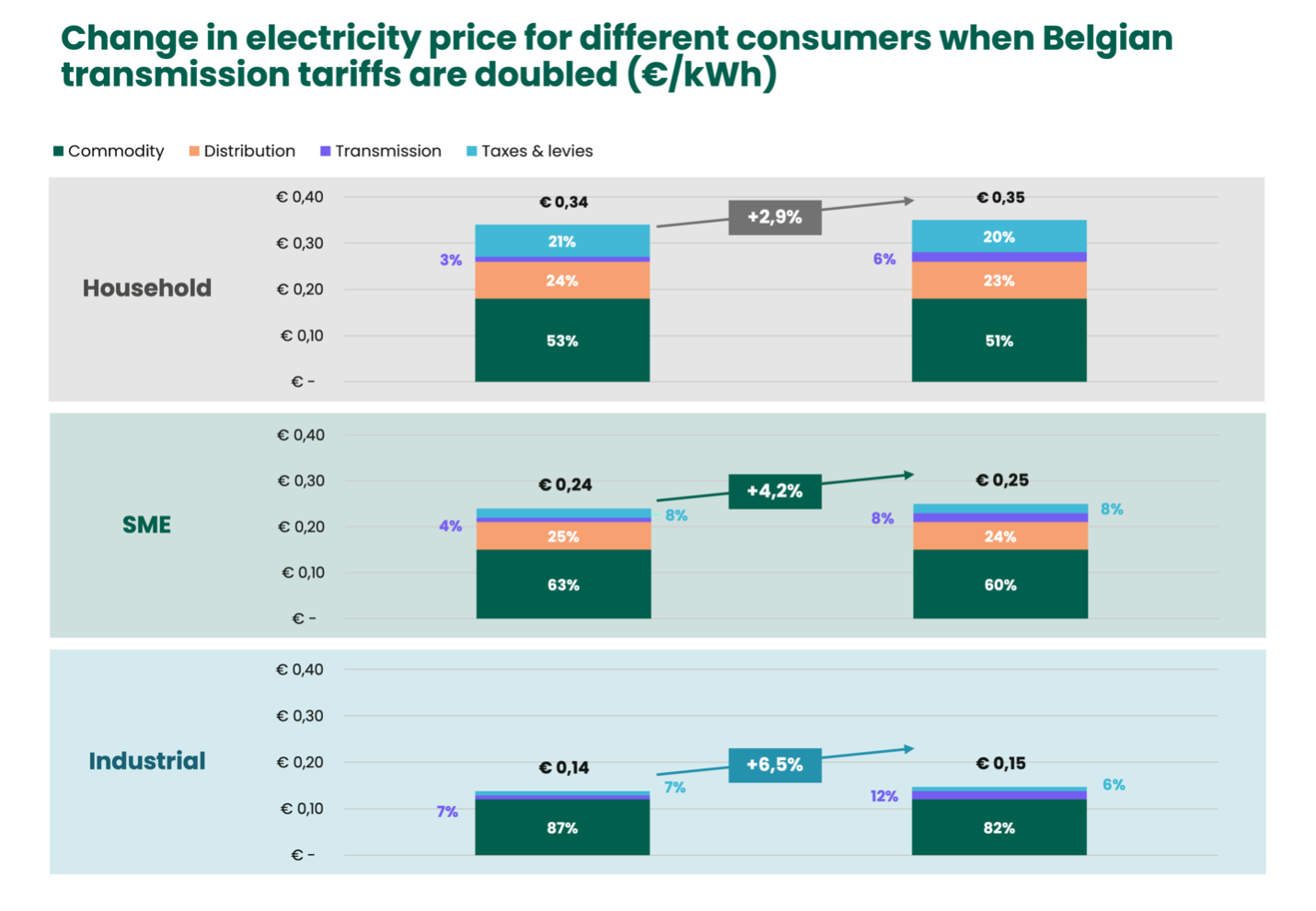
- Dr. Birol goes on to state that Europe must overcome severe challenges with its industry. Europe has a major energy cost issue, meaning it cannot compete with lower-cost environments such as China, US and the Midwest. This causes an industrial drain in the European region. Furthermore, China is dominating every market: critical minerals, material production and technology manufacturing. The US established the Inflation Reduction Act to increase industrial activity, close the cost gap and become more competitive on the global stage. Europe needs similar policies. It should pinpoint its talents and compete within these markets, as competing with every market is not feasible.
- The cost of the energy transition is disproportionally on the shoulders of low- to mid-income households. They are also the ones that will benefit the most from the energy transition, but they can’t carry the cost alone. Policymakers need to address these issues to distribute the financial burden. The IEA has a study in the making about ways for the world to afford the energy transition (Which will most certainly be a new climate shocker, so stay tuned!).
- A European investment framework is crucial to finance the energy transition. Investors need to feel comfortable with a clear pathway towards economic return. As noted by minister Van der Straeten, this can be done via de-risking through Contracts for Difference and Power Purchase Agreements, which are important factors for banks.
- Hydrogen has become an important focus point in the energy transition. The versatile use of this compound can accelerate the energy transition and provide solutions for renewable problems like energy storage.
The World Energy Outlook of 2023 reflects back on a year where significant progress has been made. Unforeseen geopolitical conflict has inflicted a shift in mindset in the way we go about energy, which caused ripple effects in eventual policy making. The main lesson learned from this year’s energy outlook is that new sources of energy are not only a necessity in combating climate change, but also imperative in establishing autonomy and bolstering economies against geopolitical disruptions.