This week, president Donald Trump signed a new wave of executive orders aimed at revitalizing the coal industry. The measures include opening up federal lands for coal mining, repealing regulations seen as unfavorable to coal, and even exploring ways to use coal power for AI data centers. The message is clear: “beautiful, clean coal” (his words, not ours) should play a central role in America’s energy future.
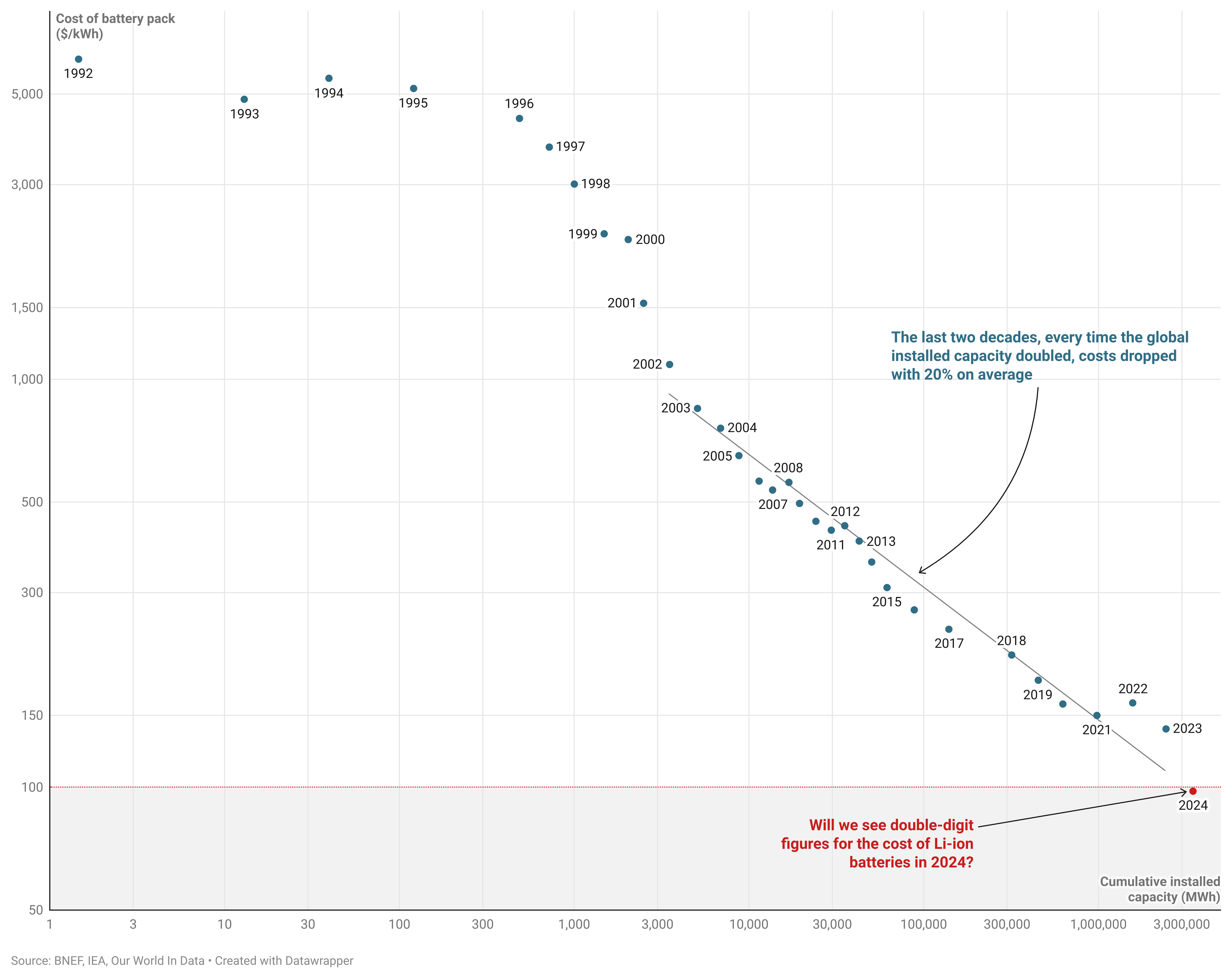
But while the political spotlight may shift, the economic fundamentals tell a different story. Over the past decade, the cost of renewable energy has fallen sharply. Solar and wind power are now the cheapest sources of new electricity generation in most of the United States. Even as subsidies taper off, learning curves and scale effects continue to make renewables more cost-competitive. At the same time, natural gas has remained a flexible and affordable alternative. By contrast, coal has faced rising maintenance and compliance costs, aging infrastructure, and limited flexibility in balancing modern grids.

In this context, efforts to artificially prop up coal generation through executive action may provide temporary relief for select facilities, but they are unlikely to change the structural trajectory. The market is not waiting. Utilities, investors, and energy-intensive industries are increasingly basing their decisions on long-term cost curves and reliability metrics—not political signals.
There are also broader consequences to consider. Policy whiplash creates uncertainty for infrastructure planning and deters investment in grid modernization (a key challenge for the USA). As the energy transition unfolds, clarity and consistency are essential to align public and private capital with the systems of the future. Prolonging outdated energy assets—especially at taxpayer expense—risks diverting resources from more promising solutions.
That’s not an ideological judgment—it’s a market reality.
Experts broadly agree that coal’s structural decline is unlikely to be reversed by executive action alone. Temporary policy support may slow closures or keep certain plants operational a bit longer, but it cannot rewrite the cost curves. Investors, utilities, and grid operators are already moving forward with energy mixes built on cleaner, more cost-effective technologies.
How can Ortelius help?
Navigating the politics of energy is messy. But the economics doesn’t have to be. At Ortelius, we help clients cut through noise, model transition risks, and design data-backed strategies for the energy systems of tomorrow. Whether you’re facing shifting policy winds or looking to invest with clarity—we’ve got the analytical compass.