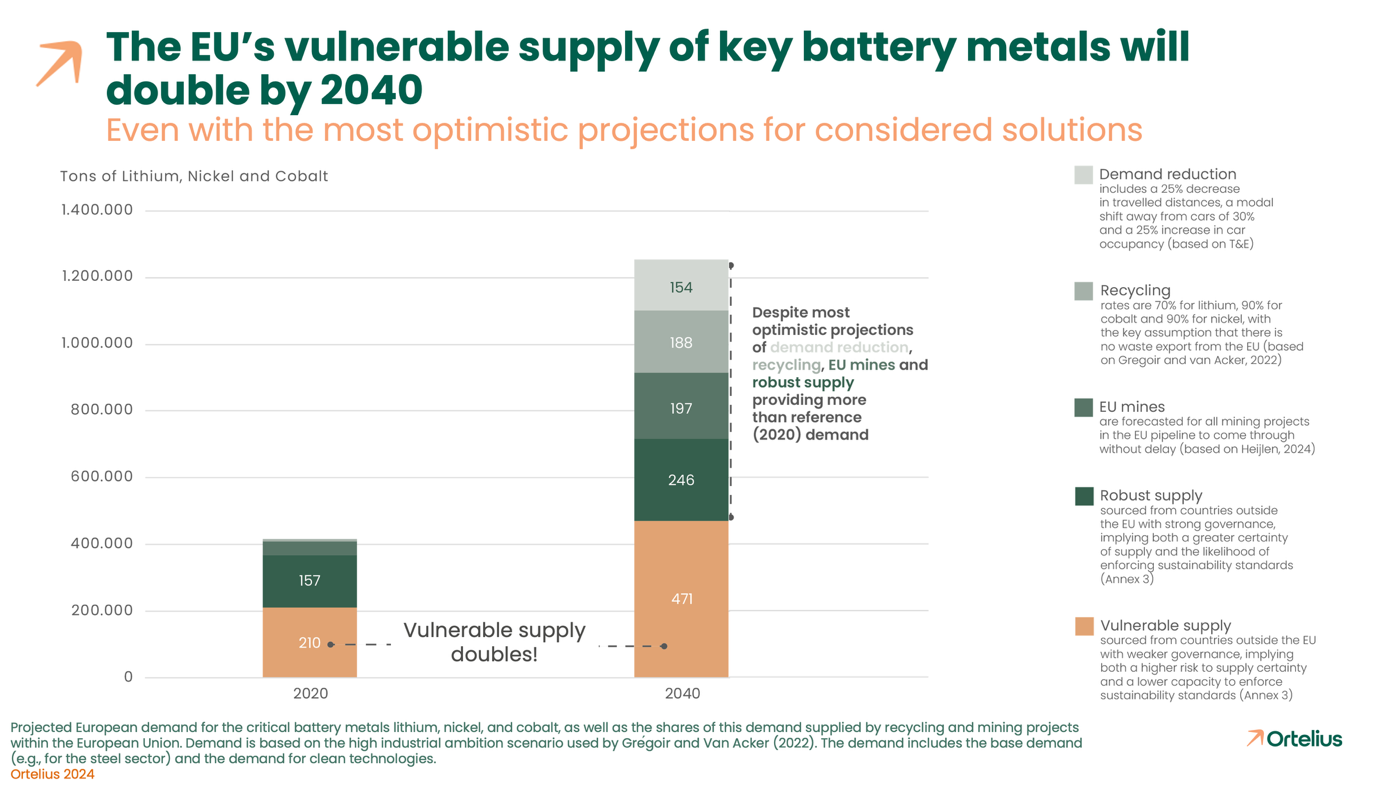
At Ortelius, we recently had the pleasure of joining the panel at the avant-premiere of Peter Tom Jones’s new documentary Europe’s Lithium Paradox. It’s a compelling exploration of a strange contradiction: Europe has the lithium it needs for its clean energy transition, and yet, we’re still stuck on foreign dependencies. Why?
One answer stood out loud and clear: social resistance. Portugal and Serbia, the countries with Europe’s largest reserves, are facing massive public opposition to new mining projects. And that resistance is not going away unless we do something differently.
Here are our five key takeaways from the event:
1. Local resistance needs local stakeholders
Peter Tom Jones highlighted a key path forward: for mining projects to gain lasting support, they must include communities, and not just inform them. Involving local residents as financial stakeholders can foster trust, transparency, and shared benefits. Belgium’s windmill push is already experimenting with cooperative governance: why not apply the same principle to the ground beneath our feet?
2. We can’t support what we don’t understand
Kira Van den Ende (Bond Beter Leefmilieu) pointed out a crucial gap: many communities don’t see why mining should happen in their backyard, because they don’t see how it helps the planet. The connection between lithium extraction and climate protection is often poorly understood. If we want public support, we can’t just explain what we’re doing: we need to clearly show why these materials are essential to building a cleaner, more sustainable world.
3. Cheap batteries can cost us more
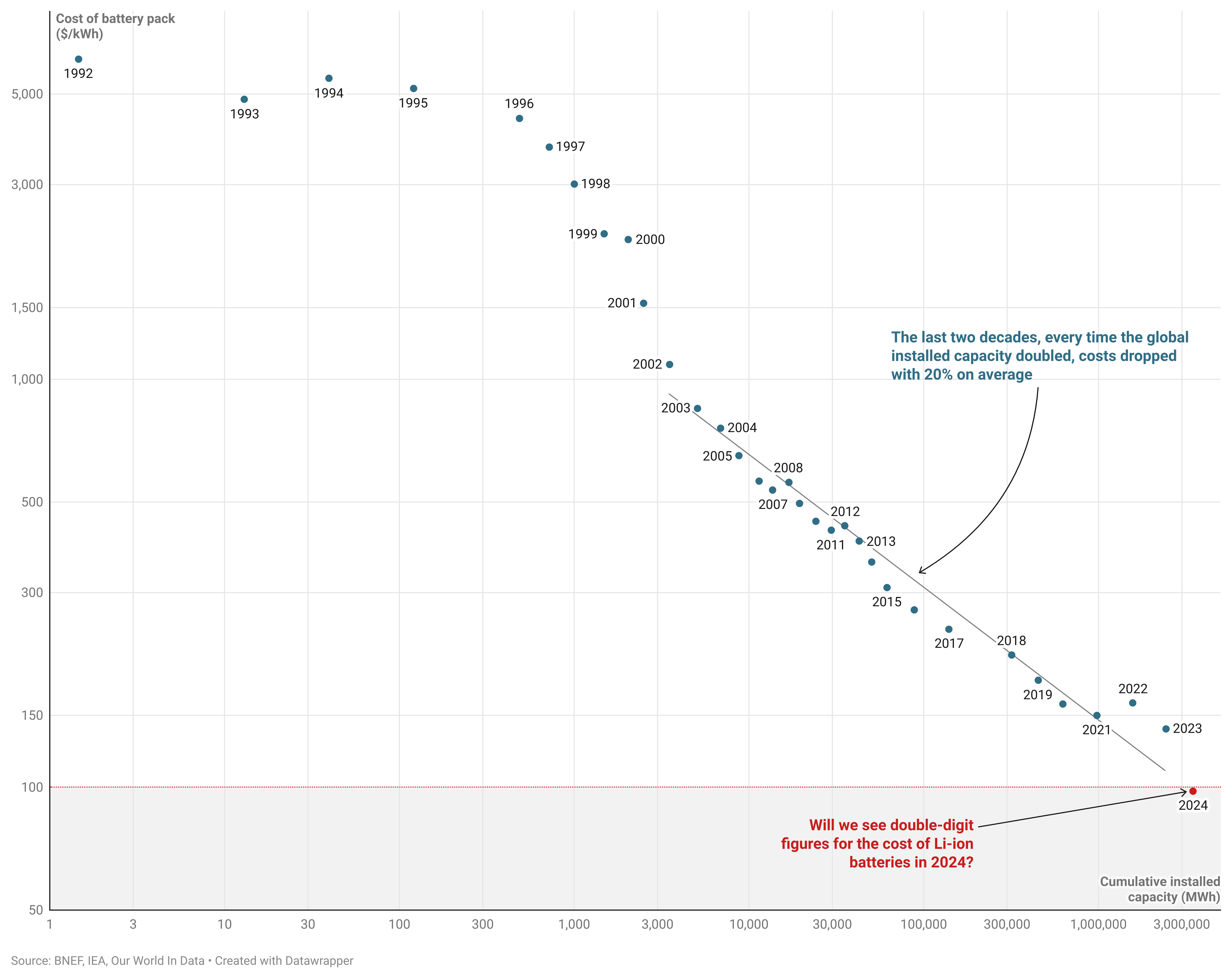
Geert Olbrechts from Umicore offered an important nuance in the battery debate. Many lower-cost electric vehicles, particularly from China, use the LFP (lithium iron phosphate) battery chemistry. These are effective and affordable, but their lower material value makes recycling less economically viable. So, the true cost of ownership isn’t so cheap after all, compared to NMC-batteries where recycling pays for itself.
4. We need to talk about energy
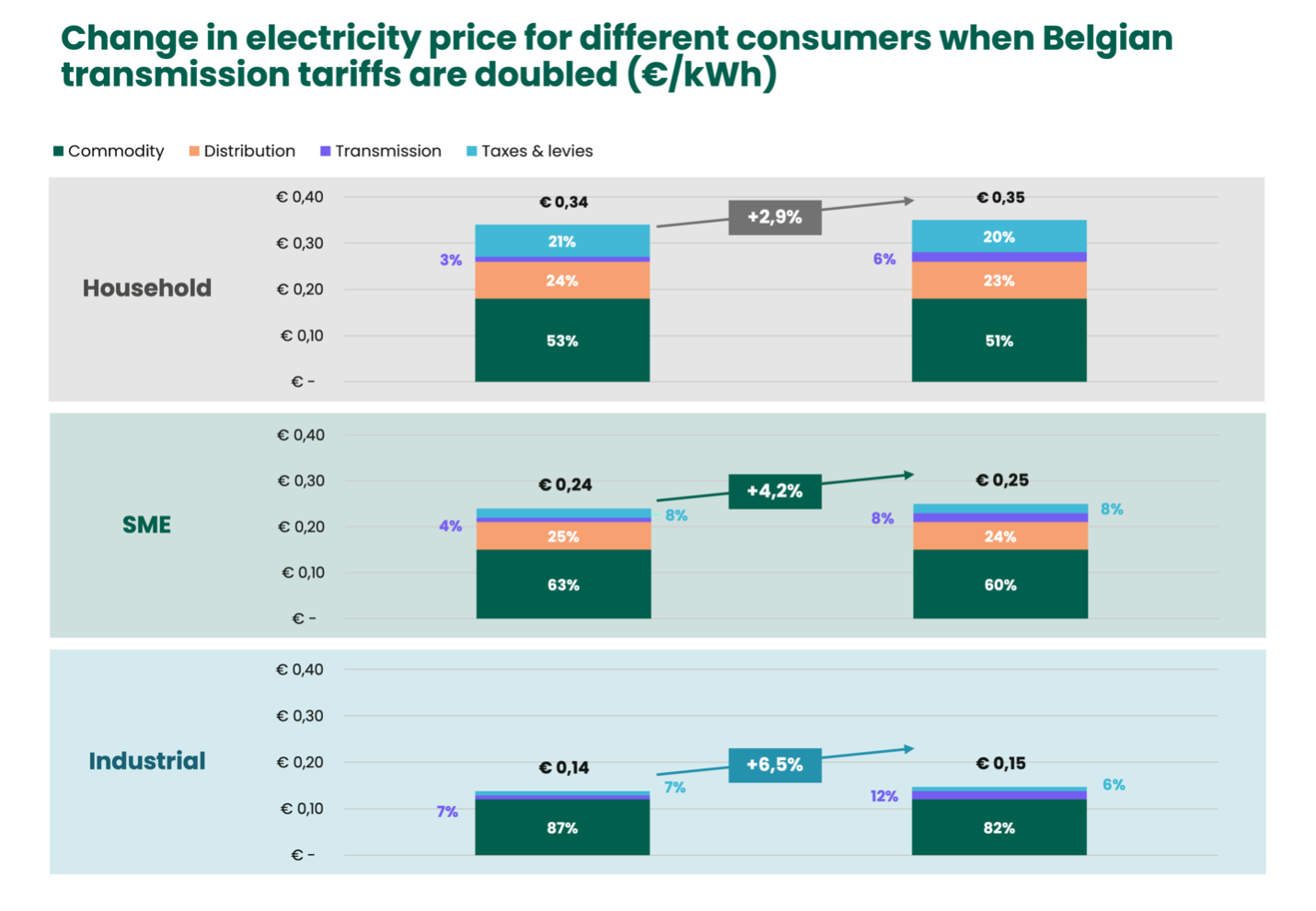
Kris Broos (VITO) underscored a reality we often overlook: building a European supply chain for critical raw materials doesn’t happen in a vacuum: it needs energy. And in Belgium, energy is expensive. Our industries already face a structural disadvantage due to high electricity and energy prices. If we’re serious about reshoring parts of the value chain, from refining to recycling, we need to confront the energy issue head-on. And to do so, critical raw materials such as lithium will be needed.
5. The big picture is everything
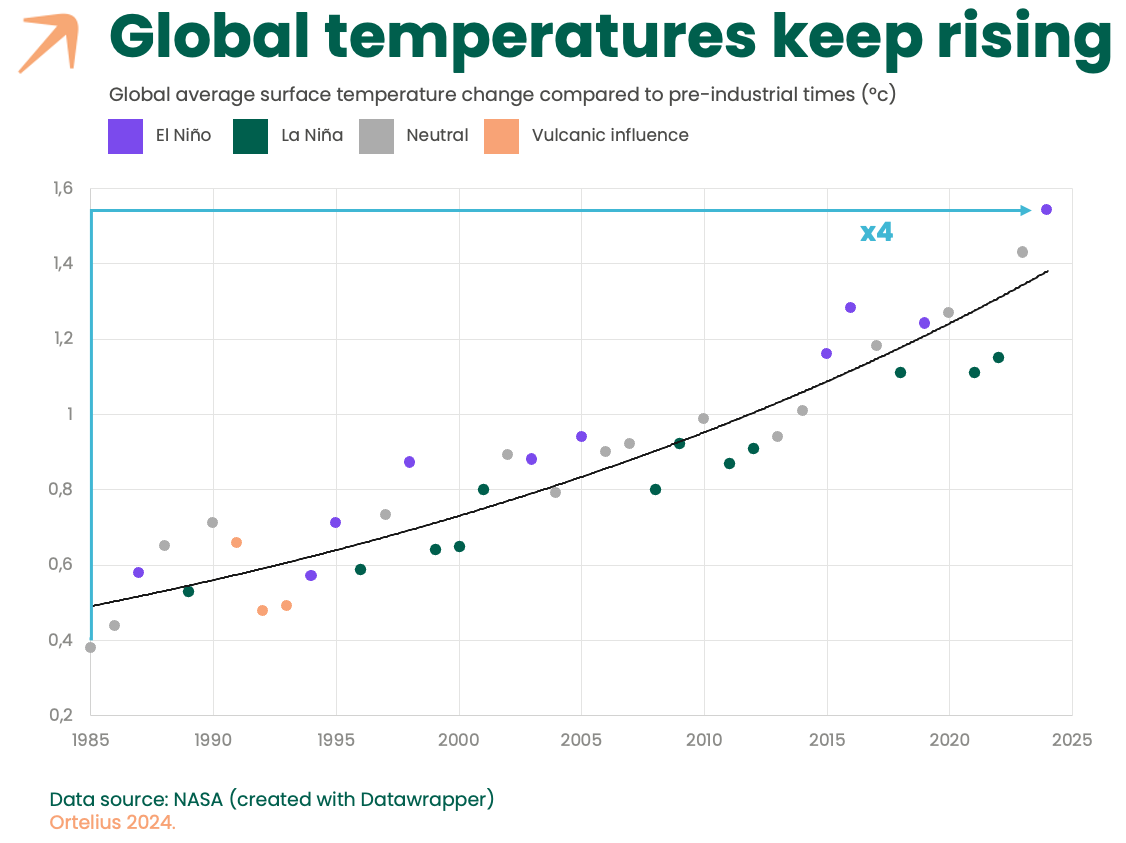
Ortelius’s Yanaika Denoyelle ends this list with a key addition. Yes, mining is messy. Yes, we must be vigilant about local impact, governance, and geopolitics. But the alternative is worse. Staying addicted to fossil fuels guarantees a future that’s hotter, dirtier, and more unequal. Critical raw materials, for all their flaws, are our best shot at a better one.
🔗 Want more insights? Download our full report on critical raw materials here